
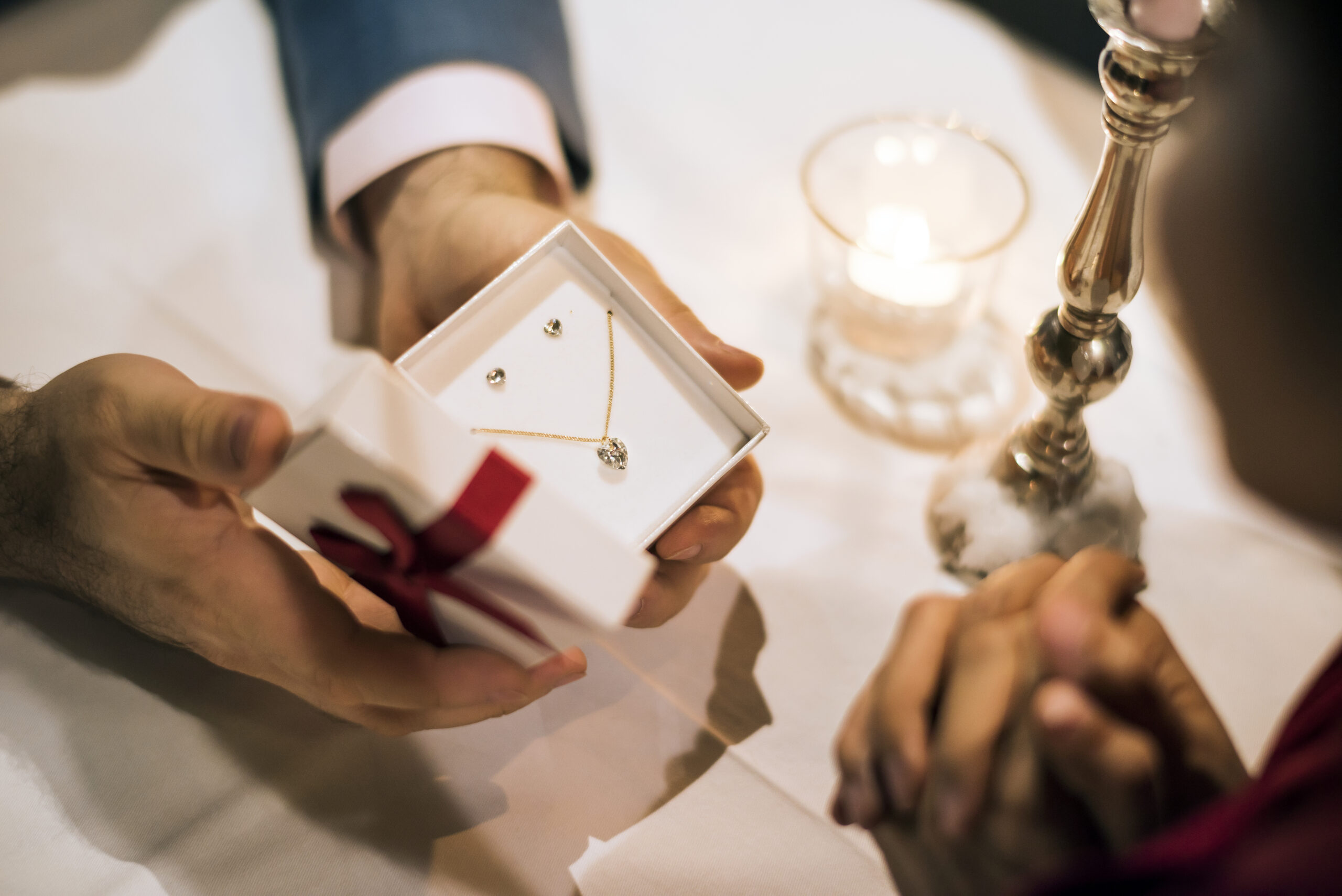
Diamonds are more than beautiful stones; they are symbols of love, achievement, and timeless elegance. Whether for an engagement ring, anniversary gift, or investment, buying a diamond can feel overwhelming without the right knowledge. Prices vary widely, and two diamonds that look similar to the eye can differ significantly in value.
This is where the diamond buying guide becomes essential. Experts in the jewelry industry rely on the 4 Cs — cut, clarity, color, and carat weight — as the universal standard for evaluating diamond quality. By understanding these elements, you can make an informed decision and feel confident about your purchase. For a closer look at expertly curated stones, you can explore Anvar Luxury diamonds and see how each characteristic plays a role in selecting the perfect gem.
Why the 4 Cs Matter
The 4 Cs were established by the Gemological Institute of America (GIA) to create a consistent method of grading diamonds. Before this system, evaluating diamonds was often subjective, leaving buyers uncertain about value.
Today, the 4 Cs allow you to:
- Compare diamonds across different sellers.
- Understand how quality affects pricing.
- Choose a stone that balances beauty and budget.
Each C represents an important aspect of a diamond’s beauty and durability. Together, they form the foundation of every diamond buying guide.
Cut: The Sparkle Factor
Of all the Cs, cut has the greatest impact on a diamond’s brilliance. The cut does not refer to the shape (such as round or princess) but to how well the diamond’s facets interact with light.
A well-cut diamond will reflect light to create fire (colored flashes), brilliance (white light), and scintillation (sparkle when moved). A poorly cut diamond, even with excellent color and clarity, can appear dull.
GIA Cut Grades
- Excellent
- Very Good
- Good
- Fair
- Poor
When choosing a diamond, prioritise cut quality. An Excellent or Very Good cut ensures the stone sparkles beautifully, regardless of other characteristics.
Clarity: Natural Characteristics
Diamonds are formed under extreme heat and pressure, which often results in internal or external characteristics known as inclusions and blemishes. Clarity refers to the absence or presence of these features.
Most inclusions are microscopic and do not affect a diamond’s overall beauty. However, clarity influences value, with fewer inclusions commanding higher prices.
GIA Clarity Scale
- Flawless (FL)
- Internally Flawless (IF)
- Very Very Slightly Included (VVS1, VVS2)
- Very Slightly Included (VS1, VS2)
- Slightly Included (SI1, SI2)
- Included (I1, I2, I3)
Many buyers find that VS1 or VS2 diamonds offer the best balance — nearly flawless to the eye, but more affordable than higher grades.
Understanding clarity helps you avoid overpaying for perfection that may not be visible without magnification. For a deeper dive into how jewelers evaluate clarity, the Anvar Luxury website provides helpful insights.
Color: The Beauty of White
While diamonds are often described as “white,” most actually have subtle tones of yellow or brown. The color grade measures how colorless a diamond appears, with less color being more desirable.
GIA Color Scale
- D–F: Colorless
- G–J: Near Colorless
- K–M: Faint Color
- N–R: Very Light Color
- S–Z: Light Color
To the untrained eye, diamonds in the G–J range often look just as bright as D–F stones but come at a lower cost. Color is also affected by setting; for example, a yellow gold band can mask faint color, allowing you to choose a more affordable grade without sacrificing beauty.
Carat: Size and Weight
The final C, carat, measures a diamond’s weight rather than its actual size. One carat equals 200 milligrams. While higher carat weights often increase price, two diamonds of equal carat can look different depending on cut and shape.
For example, a well-cut 1.0-carat diamond may appear larger and brighter than a poorly cut 1.2-carat stone.
Carat Buying Tips
- Consider finger size: larger carats stand out more on smaller fingers.
- Focus on cut and quality instead of chasing carat weight.
- Remember that carat affects price exponentially; a 2.0-carat stone can be more than double the price of a 1.0-carat of equal quality.
Balancing the 4 Cs
When choosing a diamond, it is important to balance the 4 Cs to match your budget and preferences. Not everyone needs the highest grade in each category.
For example:
- Prioritise cut to guarantee brilliance.
- Choose a clarity grade where inclusions are not visible to the eye.
- Select a color grade that looks bright in the chosen setting.
- Find a carat weight that fits your budget without sacrificing cut.
This balance ensures you get a beautiful stone without overspending.
Quick Comparison Table
| Characteristic | What It Measures | Buying Tip |
| Cut | Brilliance, sparkle, light | Always prioritise cut; Excellent or Very Good recommended |
| Clarity | Inclusions and blemishes | VS1 or VS2 offers best value for most buyers |
| Color | Presence of yellow/brown tint | G–J range often looks colorless in settings |
| Carat | Weight of the diamond | Balance size with cut quality and budget |
Why Choose Anvar Luxury Diamonds
When exploring options, buyers in search of quality often turn to expert jewelers who prioritise transparency and craftsmanship. Brands like Anvar Luxury diamonds focus on educating clients, ensuring they understand the 4 Cs before making a purchase.
Such an approach builds confidence, helping clients choose diamonds that match both budget and sentiment.
Conclusion
Choosing a diamond does not have to be intimidating. By learning about the 4 Cs — cut, clarity, color, and carat — you can navigate the diamond market with confidence. This diamond buying guide highlights how each characteristic influences value and beauty, empowering you to find the perfect stone.
The key is balance: prioritise cut, select practical clarity and color grades, and choose a carat weight that suits your budget and preferences. With this knowledge, every buyer can make a thoughtful and informed decision when investing in a diamond.
Frequently Asked Questions
1: What is the most important C when buying a diamond?
Most experts agree that cut is the most important because it determines how much the diamond sparkles.
2: Is clarity more important than color?
It depends on personal preference. Many buyers find that slight inclusions are less noticeable than color differences, so color may have more visual impact.
3: Can I save money by compromising on one of the 4 Cs?
Yes. For example, choosing a near-colorless diamond (G–J) and a VS clarity grade can save significantly without reducing visible beauty.
4: What carat size is best for an engagement ring?
There is no standard size; it depends on personal taste and budget. Many engagement rings feature diamonds between 0.75 and 1.5 carats.
5: Should I buy a certified diamond?
Absolutely. Certification from a reputable lab such as GIA ensures the diamond’s quality and provides confidence in your purchase.


